
Bad Photography by Danny Ford
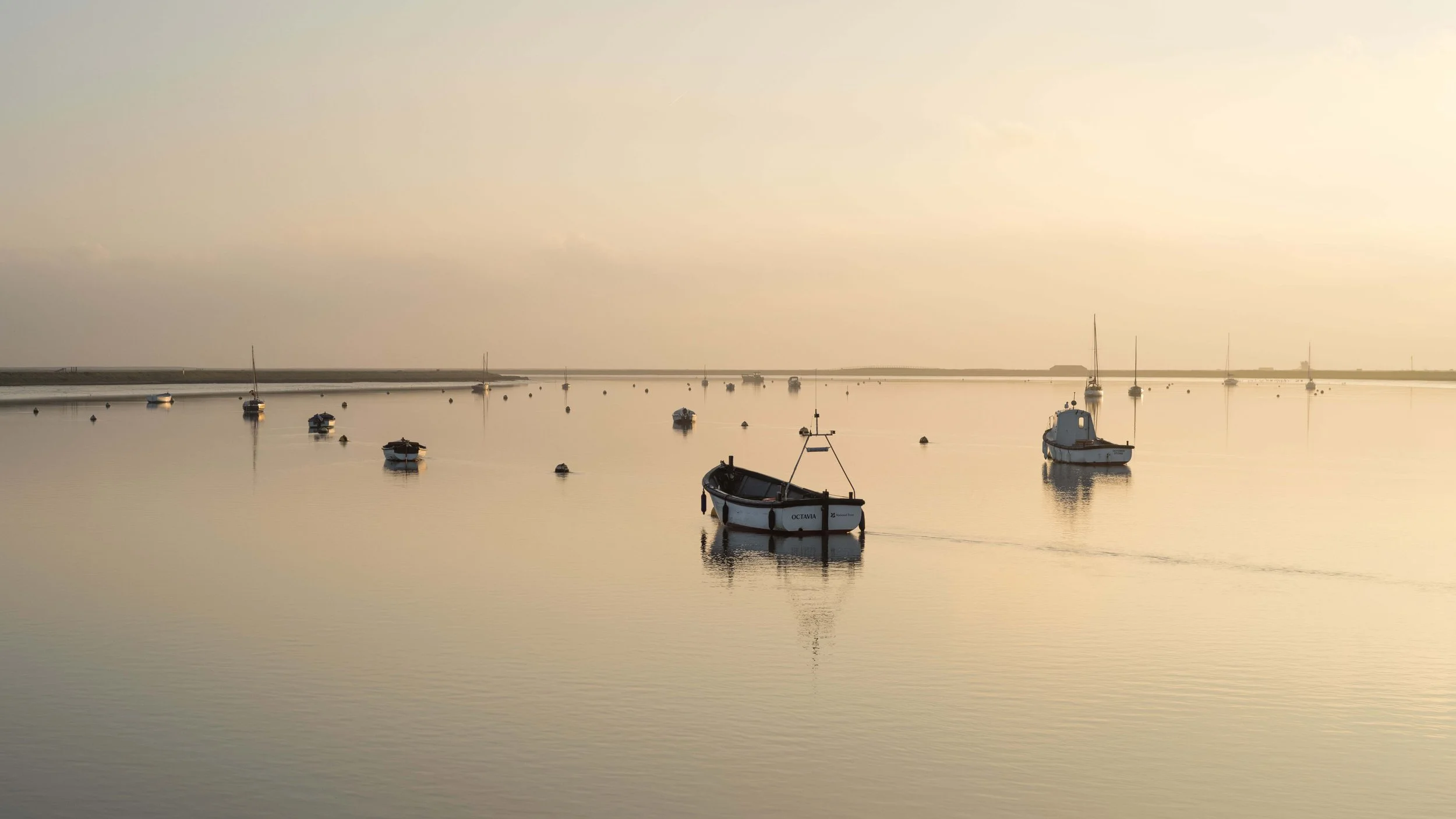
Orford at sunrise, f/8.
I've been shooting with the Mandler 50mm f/1.4 Pre-ASPH for a couple of weeks now, mostly on my Leica M11-P with a few frames on the M6 too (not developed yet). This isn't a technical review. There are no charts and no MTF graphs, just what it's been like to use, where it surprised me, and where it made me work a bit harder.
Short version: I really like it, and I'm struggling to find much to complain about.
Why a 50mm?
My photography is mostly landscapes and travel, with a soft spot for the small details that make a place feel like itself. I like natural light, atmosphere, and images that feel cinematic without looking overly constructed. If someone looks at a photo of mine and gets a sense of what it felt like to be there, that's the best outcome.
A 50mm suits that approach. Compared with something wider, it takes a lot of the surrounding environment out of the frame, so you're forced to be more selective about what stays in. It pushes me towards a more considered composition, which is exactly what I wanted to explore with this lens: how it handles landscapes and more intimate scenes, how it renders wide open, and how it behaves stopped down.
Handling and build
Before I talk about image quality, I have to talk about how this lens feels, because it's a big part of why I enjoy using it.
Focusing is lovely and smooth.
The aperture ring has a really satisfying, positive click.
The extending lens hood is a small detail, but it feels well considered and genuinely practical.
The black version I have isn't brass, so it's a little lighter than the other version. It still feels fantastic in the hand.
These might sound like minor things, but when you're shooting a manual focus lens all day, they add up. Photography is as much about how enjoyable the experience is as the results, and this lens is great to shoot with.
For the price, the build quality and ergonomics are honestly incredible. ($368 for the black aluminium $548 for brass).
Wide open: f/1.4 to f/2.8
I picked up this lens mainly because of that f/1.4 aperture and how it renders at wide settings. I love the out-of-focus rendering at f/2 and f/2.8 in particular. There's a lovely separation between subject and background without the image feeling artificial.
The mushroom photos below show the progression from f/1.4 onwards, so you can see the differences for yourself.
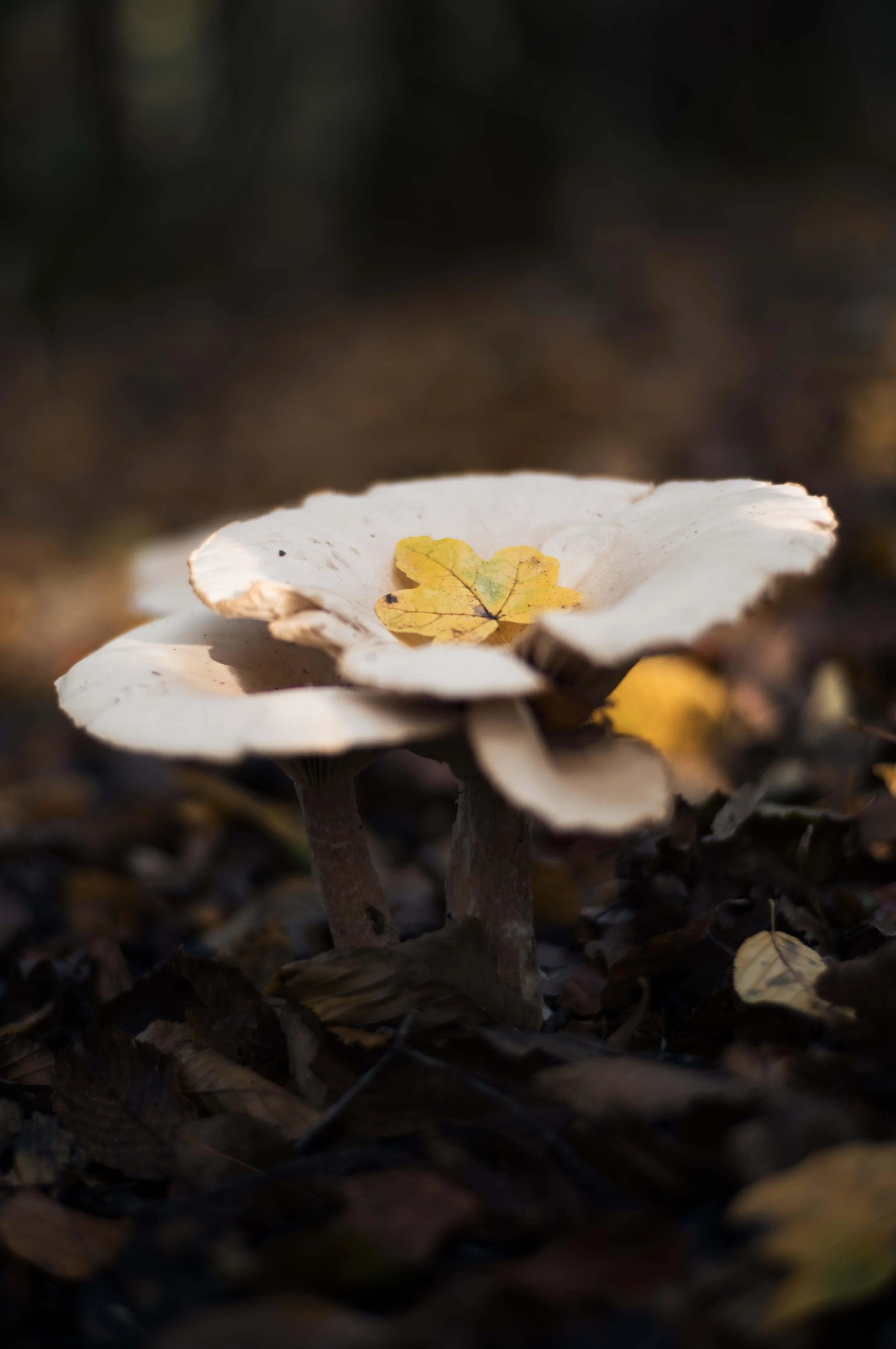
f/1.4
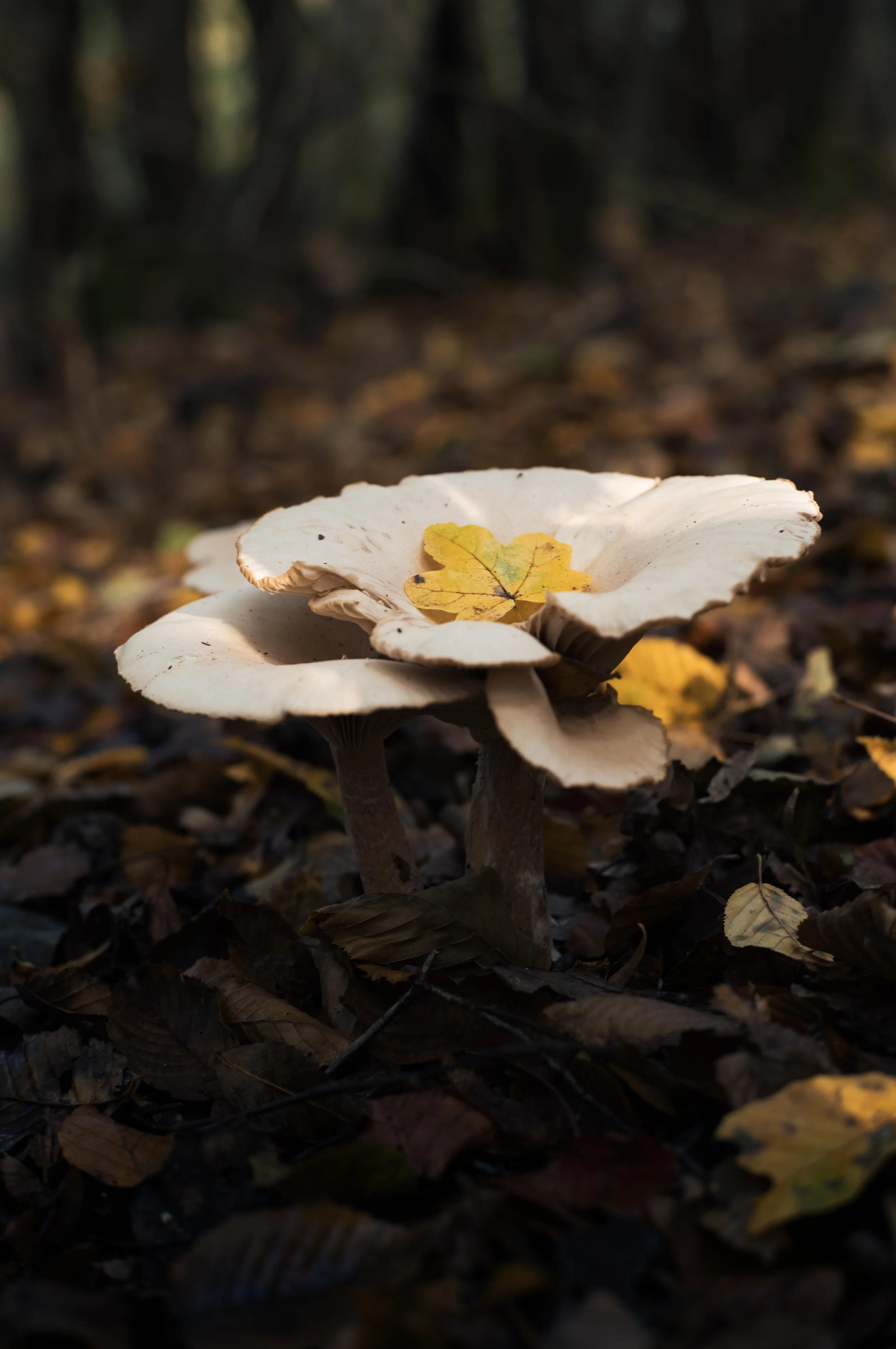
f/2.8
Here's the honest part. Nailing focus at f/1.4 is hard, especially with a rangefinder. The depth of field is so shallow that a tiny movement can mean the focus isn't quite where you wanted it. I don't see that as a criticism of the lens. It's just what comes with shooting that wide on a manual focus system. But it meant I settled into f/2 and f/2.8 for closer subjects. I still get great separation and rendering, with a lot more confidence that the focus has landed where I intended.
Stopped down: where it surprised me
For landscapes and general walking around, I'm usually somewhere between f/5.6 and f/8, and this is where the lens really surprised me.
Framlingham, f/8
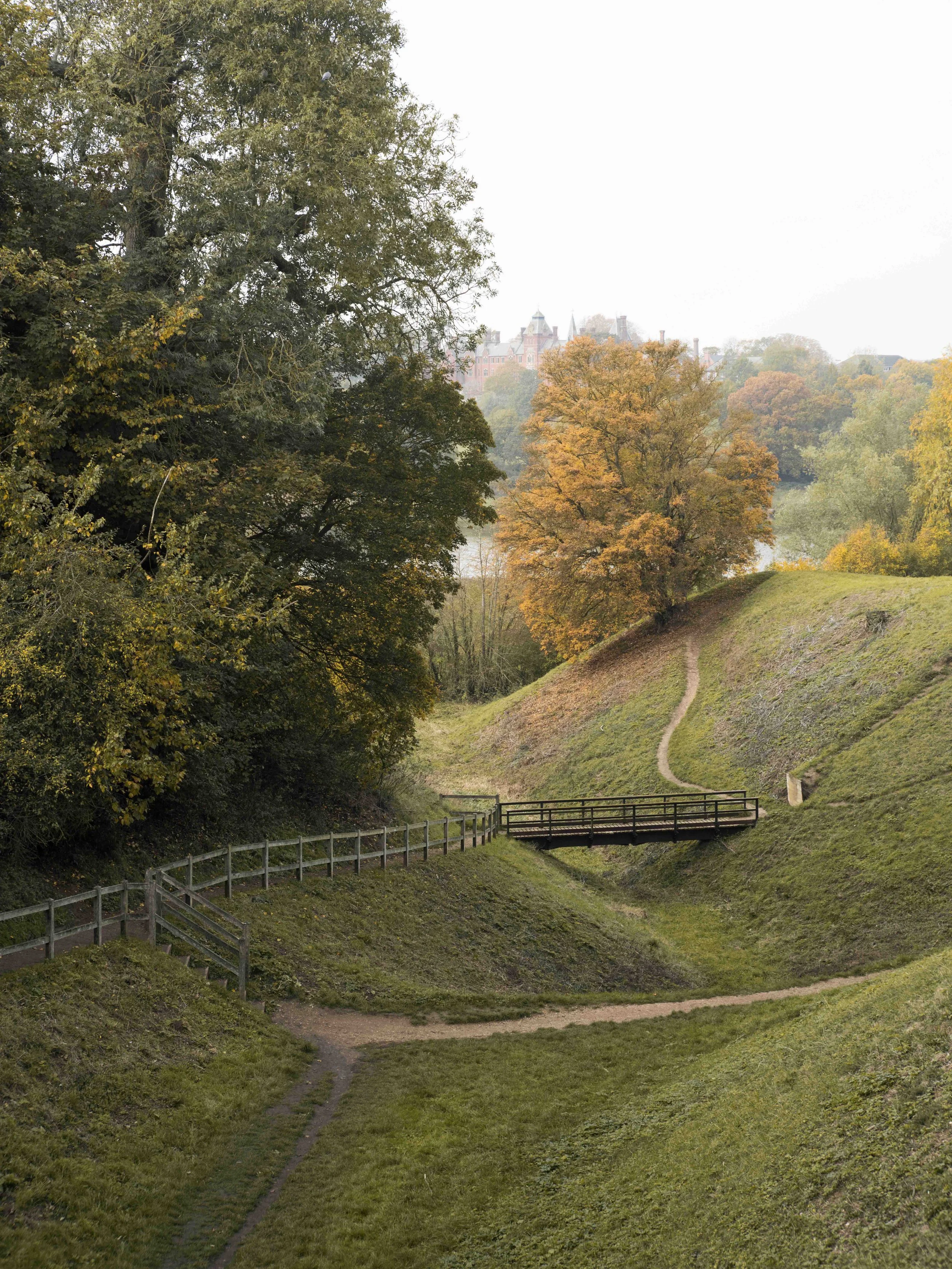
Framlingham, f/8.
If I had to pick one photo to sum up my time with the lens, it's this one. The conditions were overcast but atmospheric, which gave the scene a softer feel. I was drawn to the path and fencing leading through the foreground towards the bridge, with trees framing the landscape and the building sitting in the distance. I've been really impressed with how much detail the lens holds when stopped down, and you can see it here.
Kent woodland, f/5.6
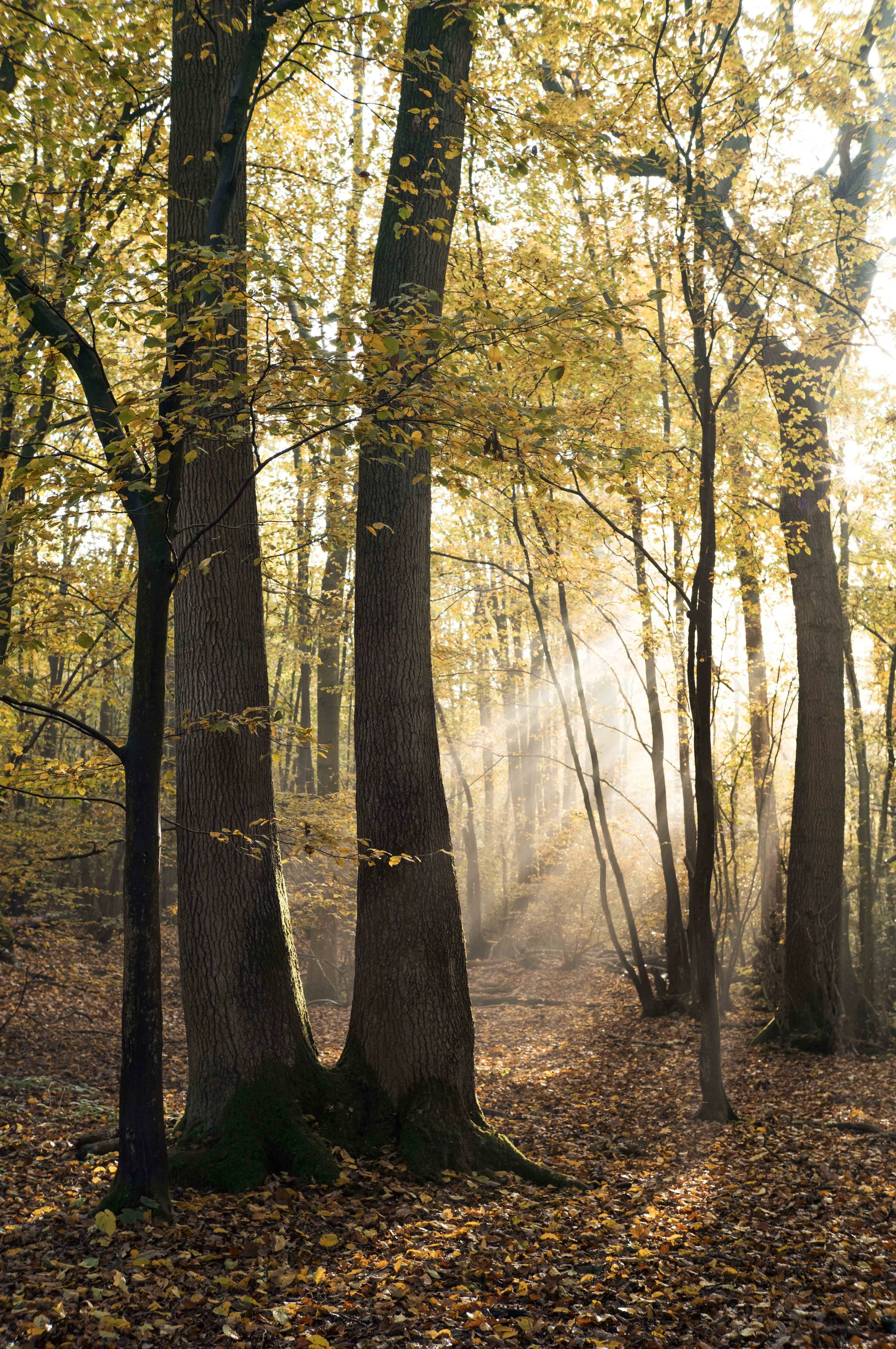
Kent woodland, f/5.6.
This is the one that surprised me most. Sunlight filtering through the trees created a natural focal point, and I love how the lens handled the contrast between the darker foreground and the brighter background. I know a landscape lens isn't what this was designed to be, but photos like this made me appreciate how capable it is when stopped down.
How it compares to my old 50mm
I also own a Leica 50mm f/2.8 Elmarit, which I enjoyed, mainly for its collapsible design and compact size. Mine has developed a loose rear element, so it's out of action for now and will probably cost more to repair that the price of this lens.
Having spent some time with the Mandler, I'm already preferring the results. The image quality has been fantastic, and I find the ergonomics considerably better. The handling, focusing feel and overall build quality make it much more enjoyable to use. If I want a 50mm that gives me both excellent image quality and a really satisfying shooting experience, this is the one I'll reach for.
Who is it for?
I'd recommend it to:
Portrait photographers. I haven't shot many portraits with it, and I don't have any so far to share, but I think the wide-aperture rendering would suit that style really well.
Anyone who wants a 50mm as a general walk-around lens, especially for travel and tighter compositions. f/1.4 gives you flexibility, and it's sharp enough stopped down for more detailed work.
Anyone who appreciates good build quality and manual handling.
It might not be ideal if:
You mostly shoot very wide landscapes.
A compact, lightweight setup matters to you above everything else.
Final thoughts
The Mandler 50mm f/1.4 Pre-ASPH is a lens I've genuinely enjoyed using. The build quality and ergonomics are brilliant for the money, the image quality has been fantastic, and it's far more versatile than I expected: lovely and characterful at f/2, properly sharp at f/5.6 and f/8. The only real challenge is focusing accurately at f/1.4 on a rangefinder, and that's a trade-off I'm happy to live with.
I'm still waiting to get the M6 film developed, so I'll add those results once I have them.
When you look at the photos above, I'd love you to look past the subject and think about the atmosphere. For me, photography is as much about capturing a feeling as a place, and if one of these reminds you of somewhere you've been, that's a win.
