
Nikon Z 20mm f/1.8 S – Initial Impressions
I don’t tend to gravitate towards very wide lenses. I have been using the 24 - 120 f4s lens mostly on the Nikon Zf and 70% of my landscape shots are done at 50mm plus. There are moments however, open coastlines, big skies, night work, where a wider view makes sense, and that’s what led me to the Nikon Z 20mm f/1.8 S.
This isn’t a long-term review. I haven’t used the lens extensively, and I’m not interested in forcing a verdict before one exists, this lens has also been out for quite along time so there are plenty of in-depth reviews out in the wild. What follows are simply my early impressions, based on a small number of images I have so far.
First impressions
The 20mm f/1.8 S feels very much like the rest of Nikon’s S-line lenses, solidly built and sleek. The lens is a long and I can’t see myself using this as a walk around lens compared to the 24-120mm.
At 20mm, composition becomes less about framing and more about placement. The lens encourages you to think carefully about foregrounds and edges, because everything is included whether you want it or not. What I’ve found reassuring is that it doesn’t amplify that challenge unnecessarily, the perspective feels wide, but not aggressively so, I did consider a 16mm instead of this lens but I think 20mm will suit me more.
Landscapes: framing the world
The image below was taken at Diamond Beach in Iceland. I made a few photographs here with the 24–120mm, but the slightly wider view of the 20mm felt easier to work with. It allowed the ice to remain prominent without completely taking over the frame, giving the scene a better sense of balance.
Detail across the frame feels consistent, particularly stopped down to f/9 for this shot. The texture in the ice holds together beautifully, and there’s a clarity to the image that feels natural rather than forced. Overall, I’m really happy with how this photograph turned out.
I’ve also found that constraining myself to a single focal length often leads to better results. It encourages me to think more carefully about composition, moving around to find the image rather than zooming in to discover it. Going forward, I think this lens will be a useful tool for that way of working.
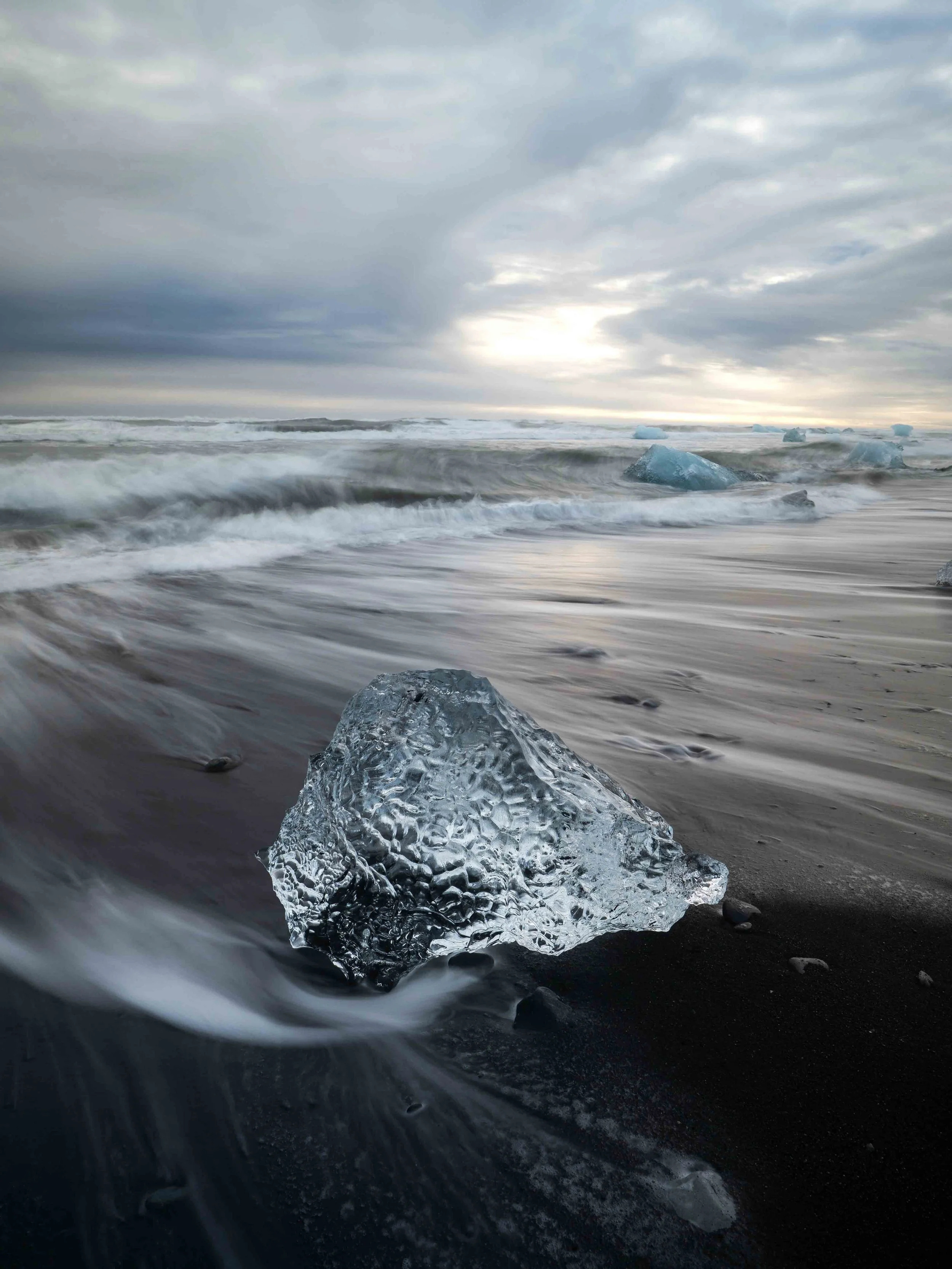
Diamond Beach - Iceland
ISO 160
f9
0.6 sec
Astrophotography: Still got a lot to learn here.
This star trail image is where the 20mm f/1.8 S really begins to justify its place in my kit. The combination of a genuinely wide field of view and a fast maximum aperture makes it a far more practical option for night work than the 50mm f/1.8 S I’ve used previously.
Across the frame, the stars remain well behaved. Trails towards the edges don’t break down into distracting shapes, and there’s no obvious sense that the lens is struggling with what’s being asked of it.
There are a few issues with the image itself, but those are largely down to the settings I chose rather than the lens. Including trees in the foreground for this type of shot probably isn’t the easiest approach either, but it was a useful exercise in understanding the lens and how it behaves at night.
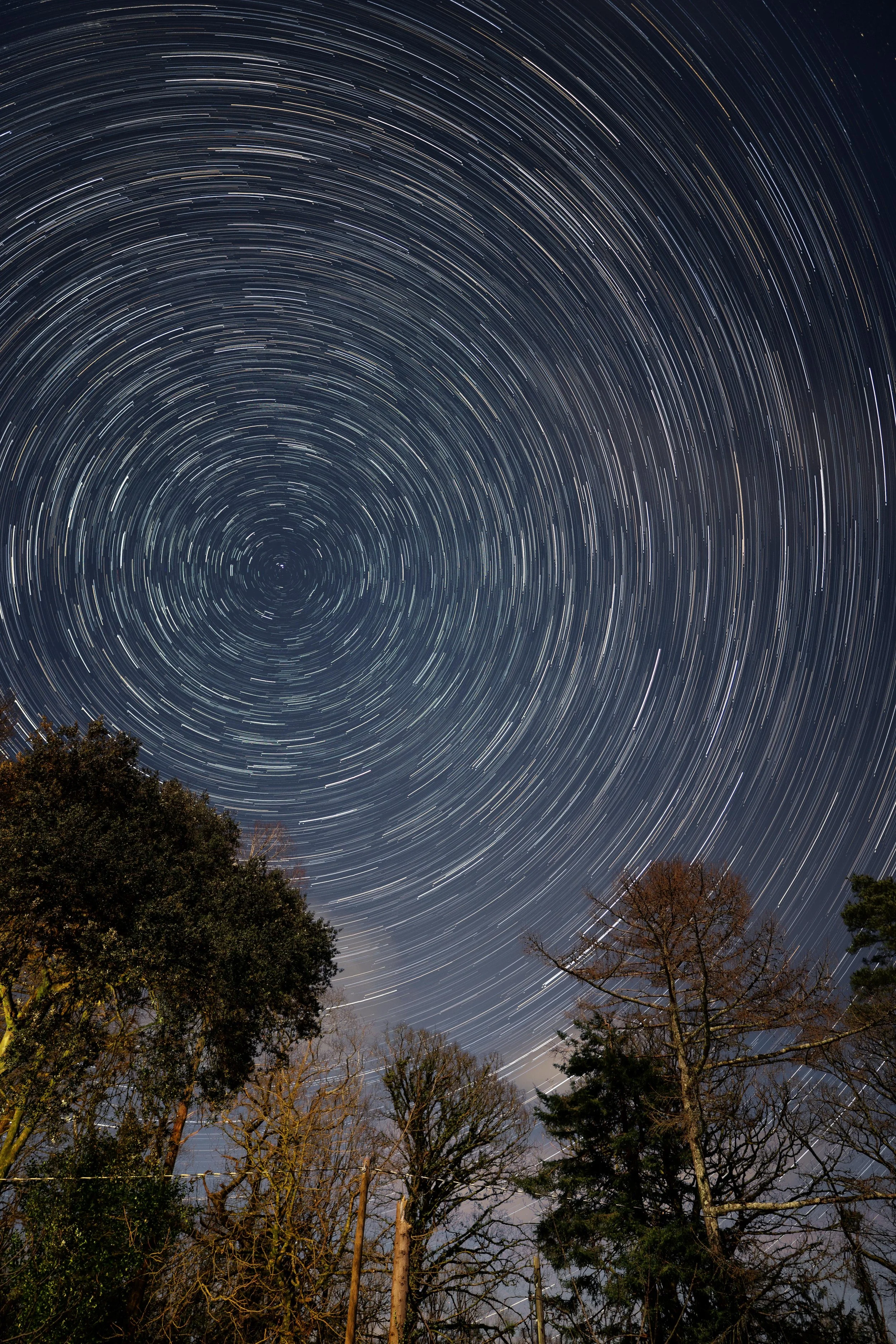
Stars in North Wales
90, 30 seconds exposures blended together in photoshop.
Early thoughts
So far, the Nikon Z 20mm f/1.8 S feels like a thoughtful, measured wide-angle lens. It doesn’t try to convince you that wider is always better, nor does it rely on exaggerated perspective to make an image feel dramatic like you might get with a 16mm lens. Instead, it offers control, consistency, and a level of optical confidence that allows you to focus on the image rather than the equipment.
For landscapes, the 20mm focal length feels wide without becoming distracting. It’s expansive, but still usable, encouraging careful placement of foreground elements rather than exaggerated stretching. In scenes that could easily tip into visual chaos, the lens maintains a sense of balance that suits the way I like to work.
In low light and night conditions, the f/1.8 aperture adds a layer of flexibility that makes the lens feel genuinely practical rather than situational. It’s not a specialist astrophotography lens, but it doesn’t feel out of its depth either. For occasional night sky work, that balance is exactly what I’m looking for.
At this point, the Nikon Z 20mm f/1.8 S feels like a lens I’ll reach for when the scene demands space, expansive landscapes, big skies, or time spent looking upwards after dark. It’s likely to become my go-to option for this kind of work.
Now all that’s needed are some properly dark, clear skies.
