
A little while ago, I wrote about the possibility of selling my Nikon Zf and Fujifilm X100VI to fund the purchase of a Leica M11-P. It was one of those decisions that seemed perfectly logical in my head, while simultaneously being a ridiculous amount of money to spend on a camera.
Well, I took the plunge. The Nikon is gone, and there’s now a Leica M11-P in my camera bag.
The Fuji, however, is still here.
Having spent a considerable amount of time debating whether I should sell it alongside the Nikon, I ultimately decided to keep it. And having now spent some time with the Leica, I think that was probably the right decision.
A quick note on timing: since I started writing this, I’ve replaced my broken 50mm with a Mandler 50mm and already written about it in a separate post. This was the article I’d planned to publish first, so it’s a little out of order, but I think the two work well together.
So, how’s the Leica?
I’ve been using the M11-P regularly since buying it (I’ve got to, given what it cost), and the first thing that struck me was just how much I enjoy holding and using the thing.
It’s a wonderfully tactile camera. There’s something about the construction, the controls, the weight and the general feel of it that makes you want to pick it up and go out taking photographs. It feels like a camera that’s been designed around the experience of taking pictures, rather than simply making the process as easy and efficient as possible.
Of course, that comes with compromises. I’ve missed plenty of shots since getting it, usually because I’m still fumbling around trying to get focus right, although zone focusing has helped a lot. But strangely, that hasn’t put me off. If anything, it’s made me enjoy the process even more.
That might sound a little pretentious, but bear with me.
One of the main reasons I was drawn to the Leica in the first place was the rangefinder experience. Having spent time shooting film on my Leica M6, I knew I enjoyed the process of manual focusing and the slightly slower approach it encourages.
I wanted to bring some of that experience into my digital photography.
And so far, that’s exactly what I’ve found.
Slowing down
I think the biggest difference between using the Leica and the cameras I’ve owned previously is the way it makes me approach a photograph.
With something like the Fujifilm X100VI, taking a photograph is incredibly straightforward. You see something, lift the camera, autofocus and press the shutter. There’s very little between seeing something interesting and capturing it.
The Leica is different.
You have to take a little more time. You need to look through the viewfinder, consider your framing, work out where you want your subject and then bring everything into focus using the rangefinder.
It’s not particularly difficult once you get used to it, but it does introduce an extra step into the process. And strangely, that’s one of the things I enjoy most about it.
I’m finding myself spending more time looking at scenes before taking a photograph. Thinking about composition, considering whether the subject is actually interesting and generally being a little more in the moment and deliberate about what I’m doing.
It’s almost like shooting film, but with a little more flexibility.
I still have the convenience of digital photography. I’ve actually left my ISO on Auto, which is something I’ve never really done before. I can review an image if I want to and shoot without worrying about how many exposures I’ve got left on a roll. But the actual experience of taking the photograph feels much closer to using my M6 than it does to using a modern mirrorless camera.
My approach to focusing has also started to evolve. When I’m doing landscape work, I’ve been using the rear screen to focus critically, which is a luxury my M6 certainly never offered.
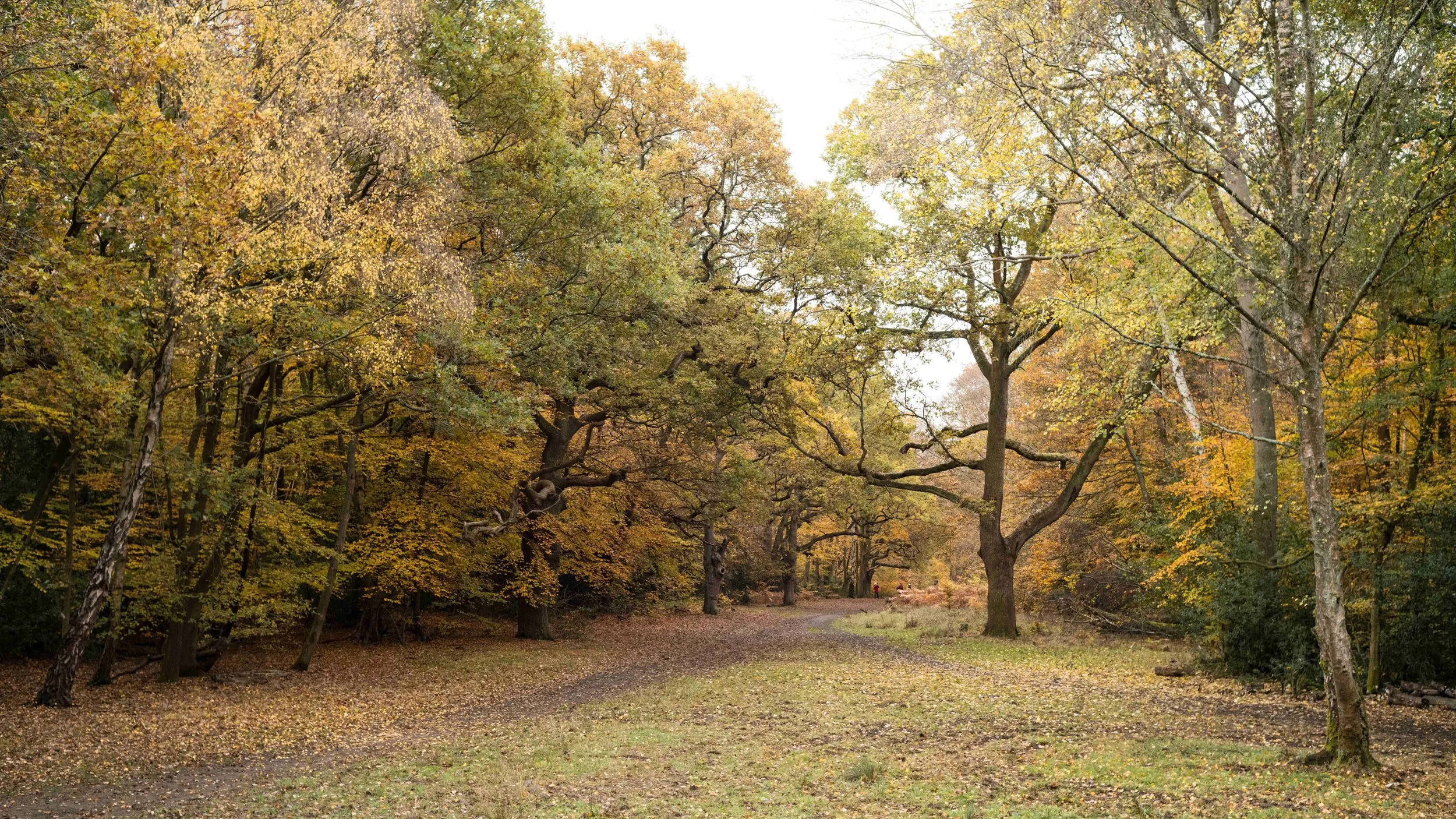
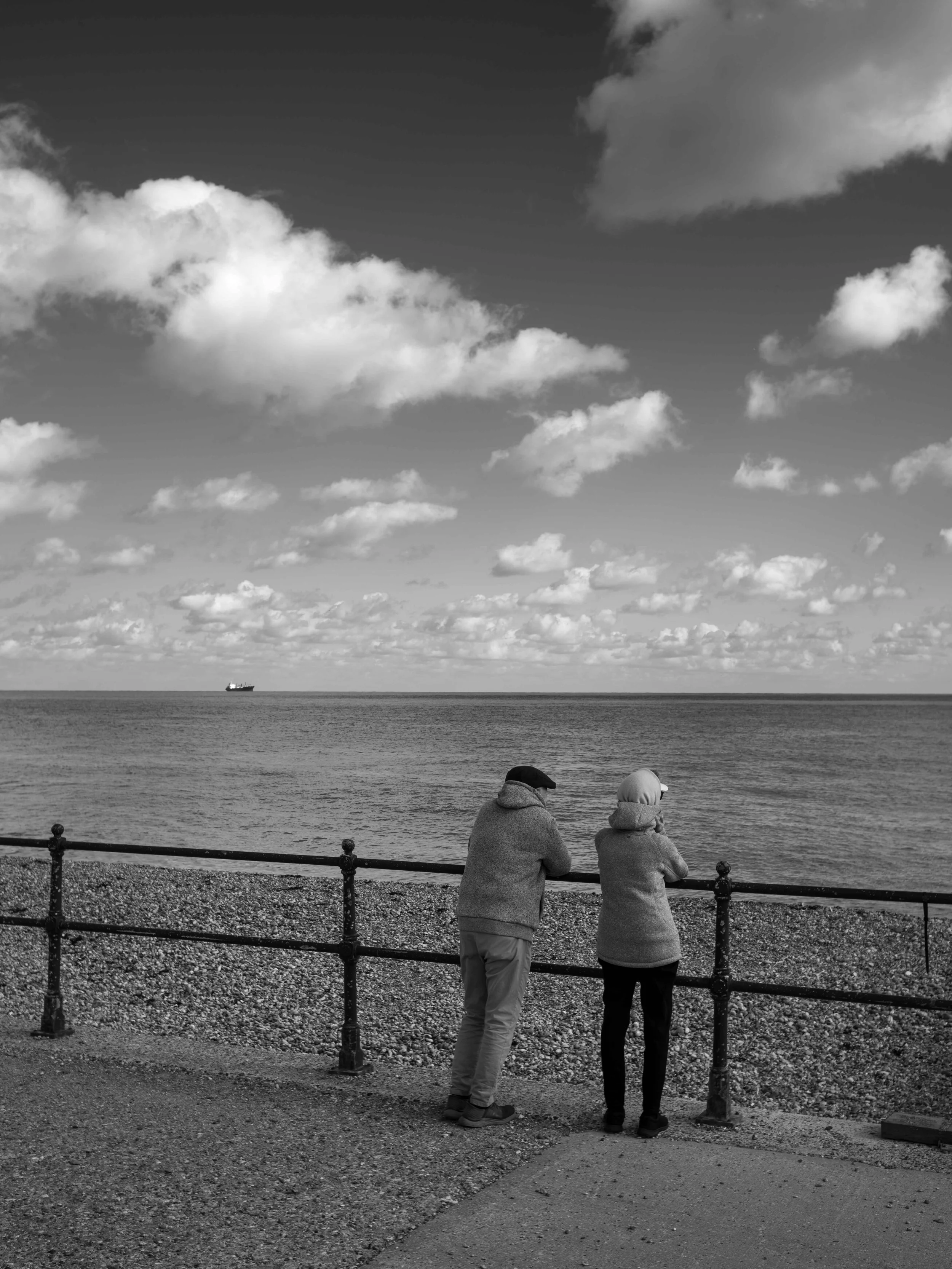
And I’m using zone focus far more than I expected to. Setting the distance and aperture in advance, then concentrating on timing and composition, feels like the natural way to use a rangefinder.
The initial experience
In terms of image quality, I’ve got very little to complain about.
The 60-megapixel files are fantastic. There’s plenty of detail, lots of flexibility when editing and generally a really nice quality to the images coming out of the camera.
They’re also a pleasure to work with in Lightroom and Photoshop. I haven’t found myself fighting the files or spending ages trying to get them looking how I want. There’s plenty of room to work with exposure and colour, and the overall quality is exactly what I’d hoped for.
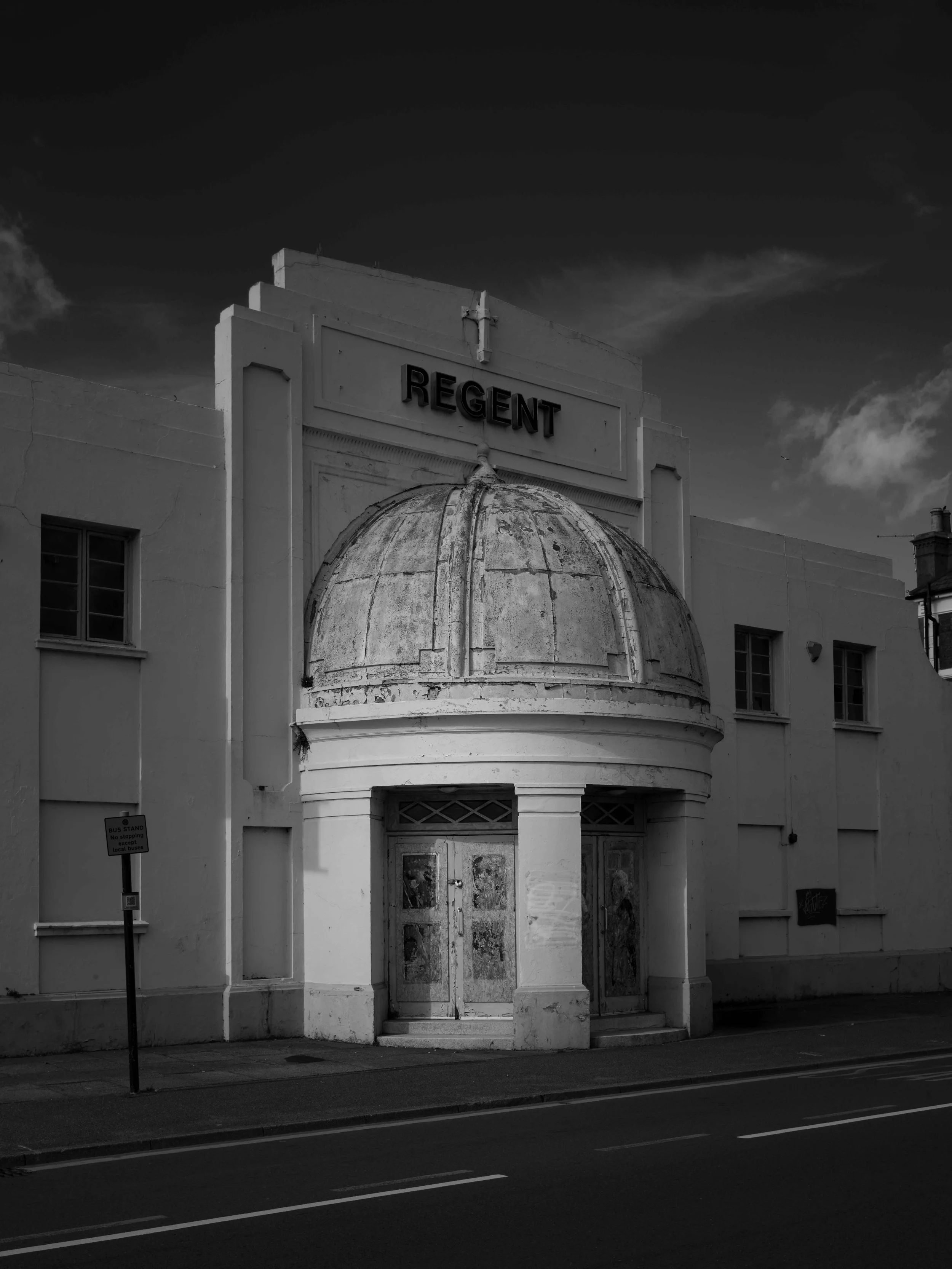
Having read quite a few reviews before buying, I’ve started shooting in highlight-weighted metering. It’s something I’m still experimenting with, and I’d like to spend a bit more time understanding how it influences my exposures before drawing any conclusions. It’s another part of the camera I’m enjoying getting to grips with.
I’m still getting to know the M11-P, and I don’t think I’ve explored anywhere near its full potential yet, but from an image-quality perspective, it’s been excellent.
When I first started using it, I only had my 35mm and 90mm lenses, as my 50mm had broken. It wasn’t quite the combination I’d originally intended, but it was an interesting way of getting to know the camera. The 35mm did the majority of the work, while the 90mm gave me a completely different perspective when I needed a little more reach.
I’ve since picked up the Mandler 50mm, so the three-lens kit I originally had in mind is back together.
It’s not all perfect
Despite spending this much money on a camera, there are still some quirks, and a couple of things I’ve found slightly frustrating so far.
The charging experience, for one, isn’t something I’m particularly fond of. I’m a little more conscious of checking that the camera is actually charging than I should be. A second battery and dedicated charger will probably solve most of this, but it’s an additional expense I’d rather not have to think about.
Transferring photographs is another minor annoyance.
I’ve found connecting the camera directly to my computer and transferring images from the internal storage to be a little hit and miss. Sometimes it works perfectly, other times it seems to take a bit of persuasion. It’s not the end of the world, but for a camera at this price point, I’d like the experience to be a little more seamless.
These are relatively minor complaints, particularly when compared with how much I’m enjoying actually using the camera, but I think they’re worth mentioning. Leica hasn’t somehow managed to make a perfect camera just because it costs a small fortune.
What about the Fuji?
One of the questions I was asking myself in my previous article was whether I should sell the X100VI alongside the Nikon to help fund the Leica.
In the end, I decided to keep it.
Interestingly, I’ve barely used it since buying the M11-P. I’ve picked it up just once, for a work trip to Finland.
The reason was fairly simple. I knew I wasn’t going to have much time to go out specifically to take photographs, so taking the Leica didn’t really make sense. I wanted something small and convenient that I could have with me, just in case an opportunity presented itself.
And that’s where I think the Fuji still has a place.
When I want to go out and actively take photographs, I’ll reach for the Leica. When I want to have a camera with me but don’t necessarily want to think too much about what I’m doing, the Fuji makes much more sense.
They’re two quite different experiences, and I don’t think one necessarily needs to replace the other.
Am I enjoying photography more?
I think this is probably the most important question, and ultimately the reason I bought the Leica in the first place.
I’ve spent a lot of time over the years thinking about camera equipment. Which camera has the best autofocus, which has the best sensor, which is the most versatile and which will give me the best possible image quality. All of this in the hope of never missing a photograph that passes me by.
And while all of those things have their place, I think I’d started to lose sight of what I actually enjoy about photography.
The M11-P has reminded me that taking photographs isn’t necessarily about having the most capable equipment. Sometimes it’s about enjoying the process.
I like the physical experience of using the camera. I like manually focusing. I like having to think a little harder about composition. And, perhaps most importantly, I find myself wanting to go out and take photographs simply because I enjoy using it.
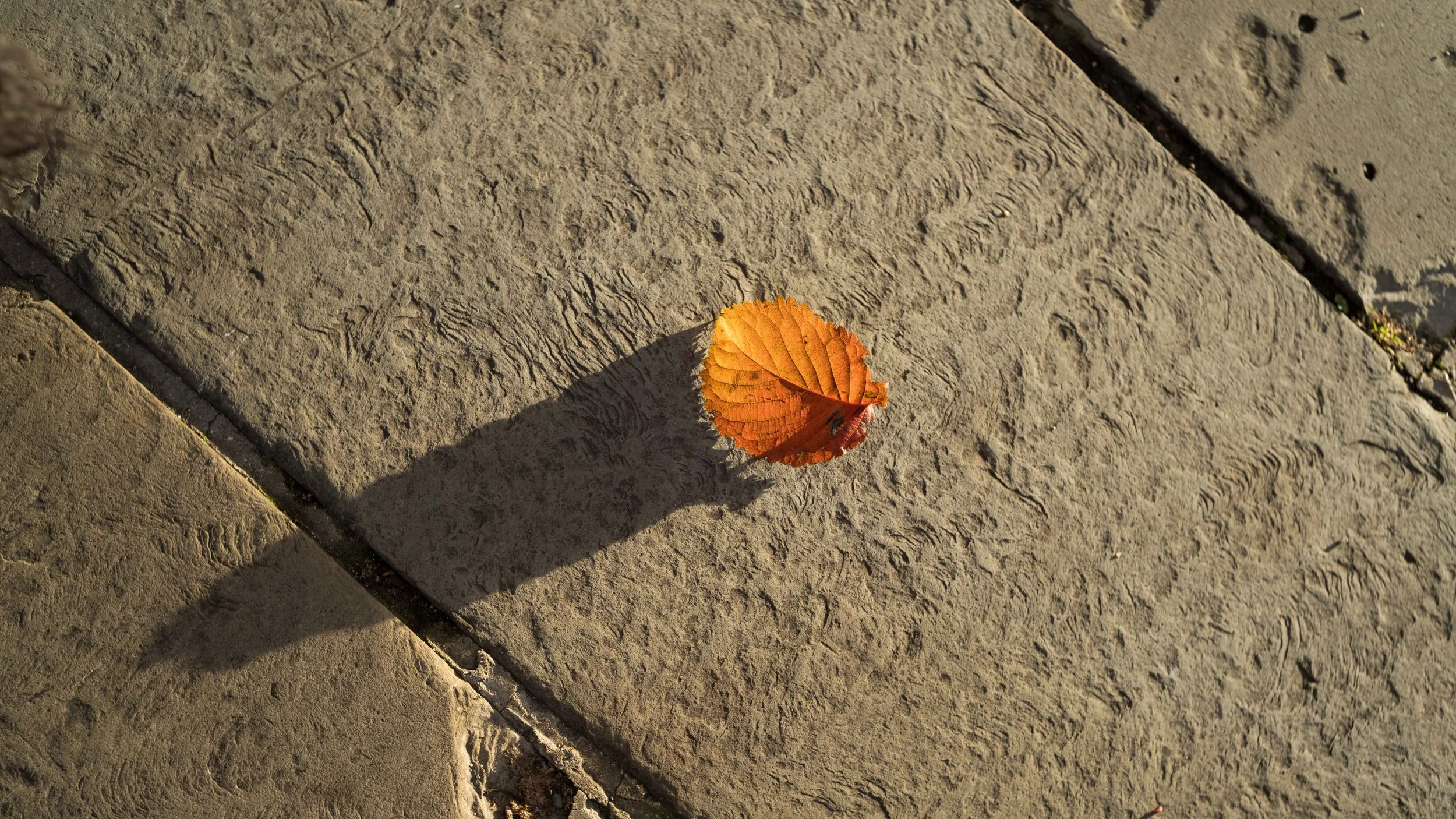
I’ve only had the camera for a relatively short time, so it’s probably too early to make any grand statements about whether it’s changed my photography. But my initial feelings are overwhelmingly positive.
Was it an entirely sensible purchase? Probably not.
Am I enjoying it? Absolutely.
And for now, I think that’s enough.
