
Kodak Gold 200 in Bad Light (What Actually Happens)
Kodak Gold 200 isn’t a film I ever associated with grey skies, although being in the UK i’ve definitely had a roll in my camera when they have rolled in.
Most of what you see online leans heavily in one direction, warm tones, bright sun, saturated colours that feel closer to summer holidays than anything else. A budget friendly(ish), 200 ISO film for light, for colour and easy results.
So I have never expected much when those clouds hide bright blue skies. Flat light and gloomy skies tend to be the days I end up out with the camera so what happens in these conditions with Kodak Gold 200?
The Conditions
This isn’t based on one roll.
Over the past year or so, I’ve shot around ten rolls of Kodak Gold 200. Different places, different days, but the same kind of conditions always appear in the UK. Flat light, overcast skies, and the occasional fog that never that never lifts
Nothing dramatic.
No mist rolling cleanly through valleys, no breaks in the cloud to create contrast, just a consistent grey that flattens everything in front of you. The kind of light that removes shadows entirely and leaves very little to work with.
I always shoot at box speed, without trying to compensate or rescue the scene. Just shooting as I normally would and letting the film respond to what was there.
The Results
Looking back through the images, the first thing that stands out isn’t colour.
Kodak Gold 200 doesn’t fall apart in low light, but it doesn’t behave like the version of itself you usually see either. The saturation drops back noticeably. Greens become softer and less defined. The warmth is still there, but it is restrained, almost hesitant.
Across multiple rolls, that pattern repeats. In some frames, it works.
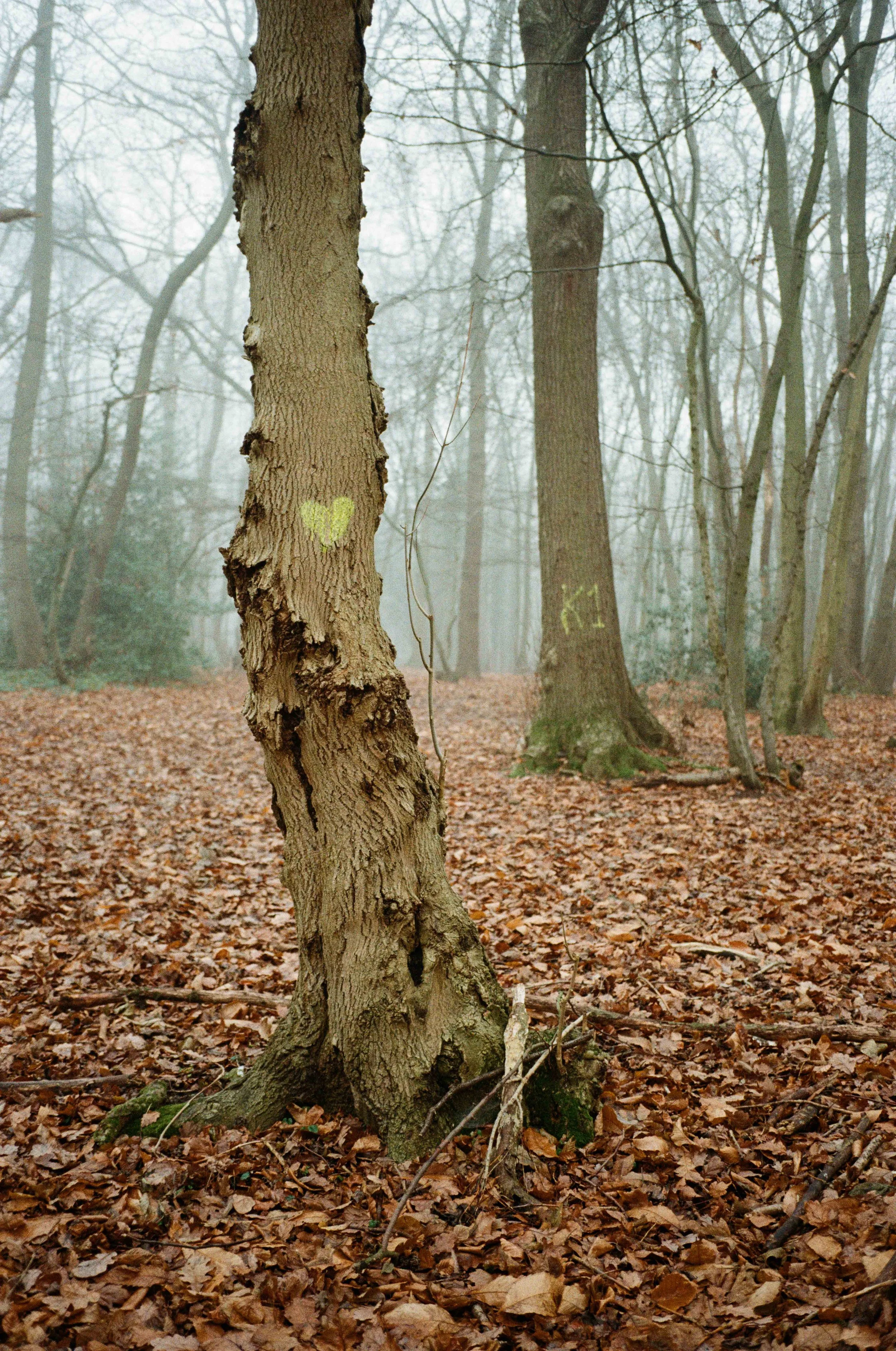
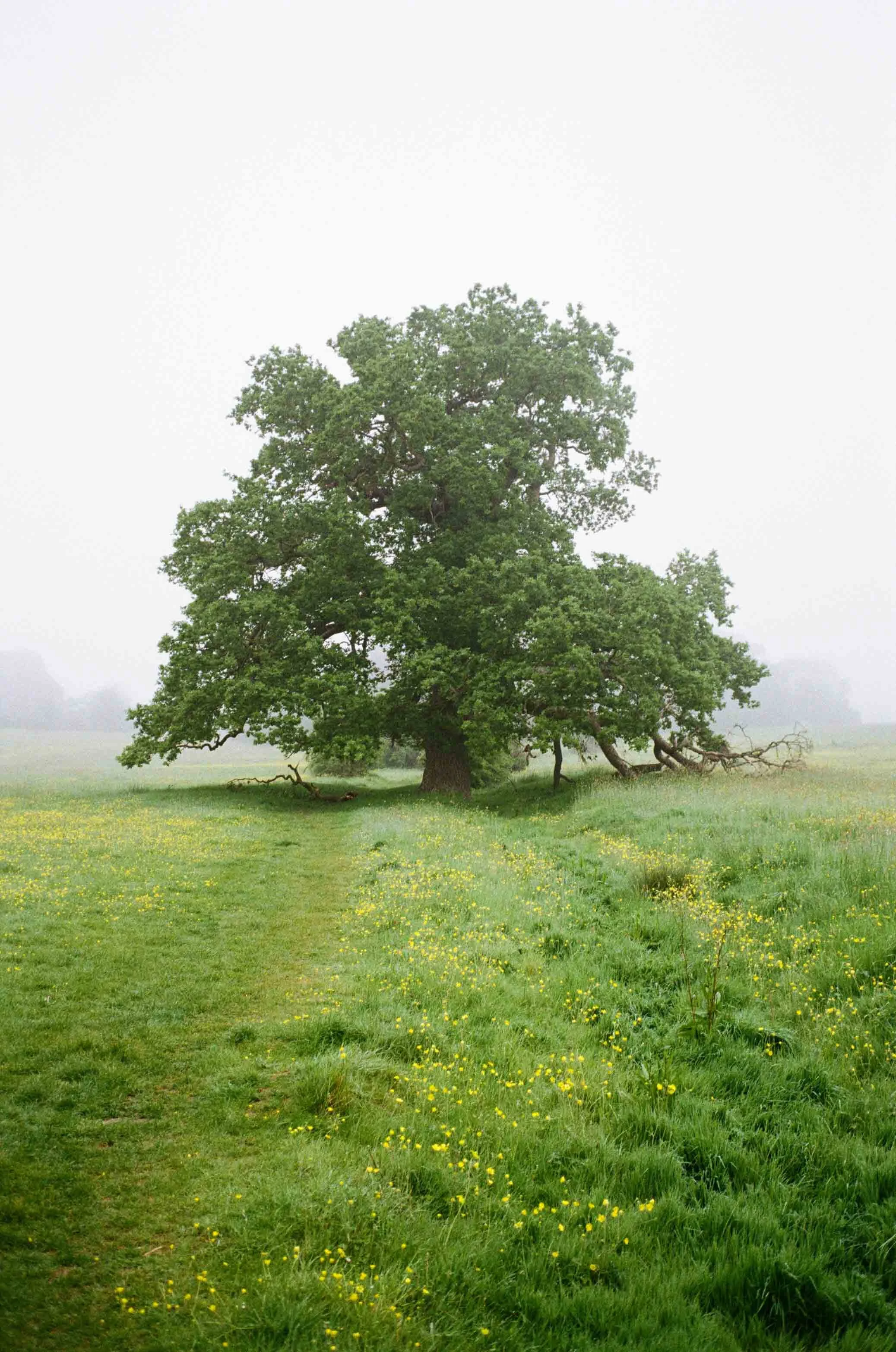
The film renders the landscape in a way that feels closer to how it actually looked, muted more honest. There is a softness to the tones that suits the stillness of these conditions, especially in fog where everything already feels quiet and distant.
But in others, it struggles.
Without contrast in the light, the images lack separation. Elements blend together more than I would like, and some frames feel flat in a way that does not feel intentional, just a limitation of both the conditions and the film.
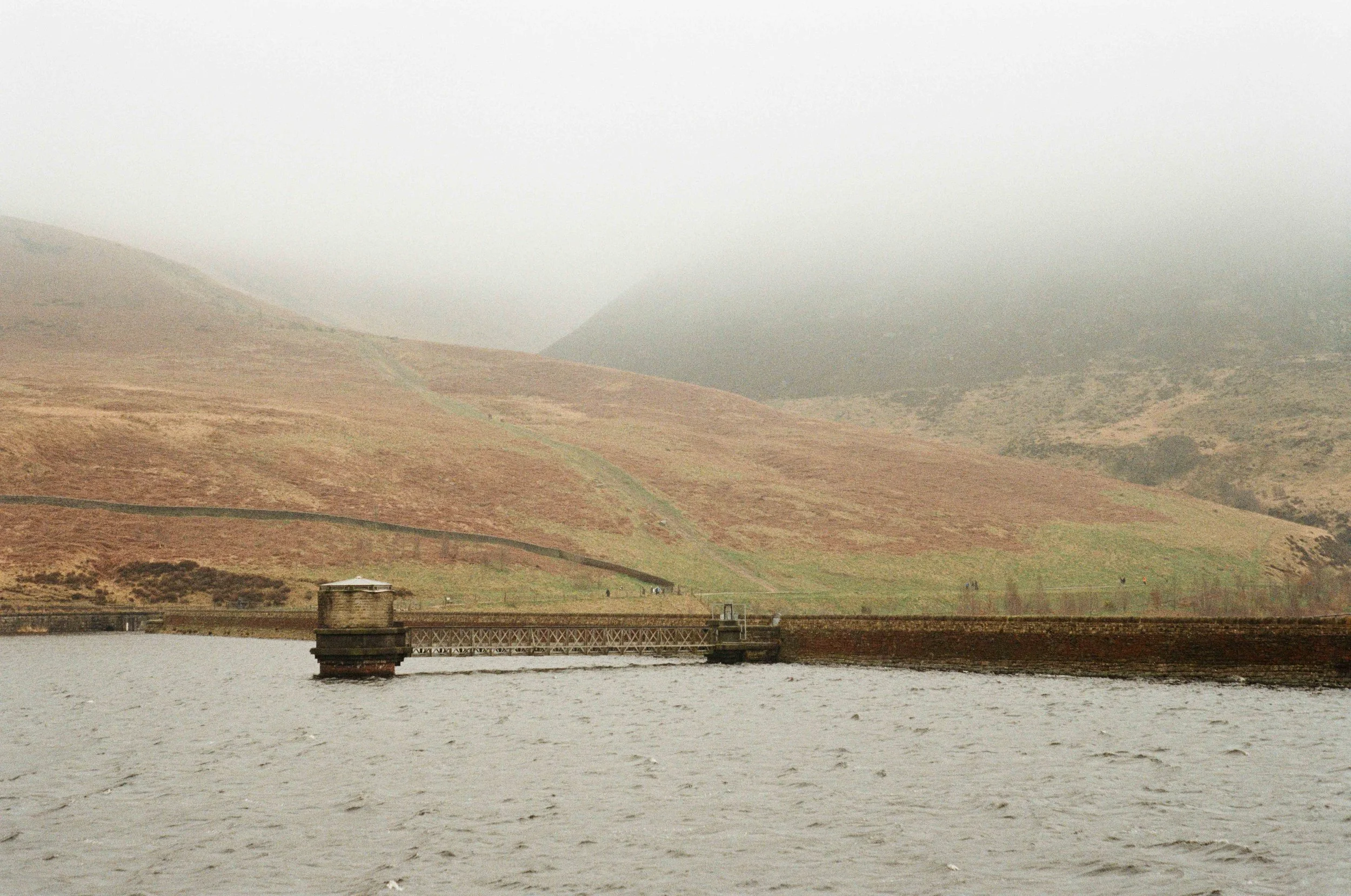
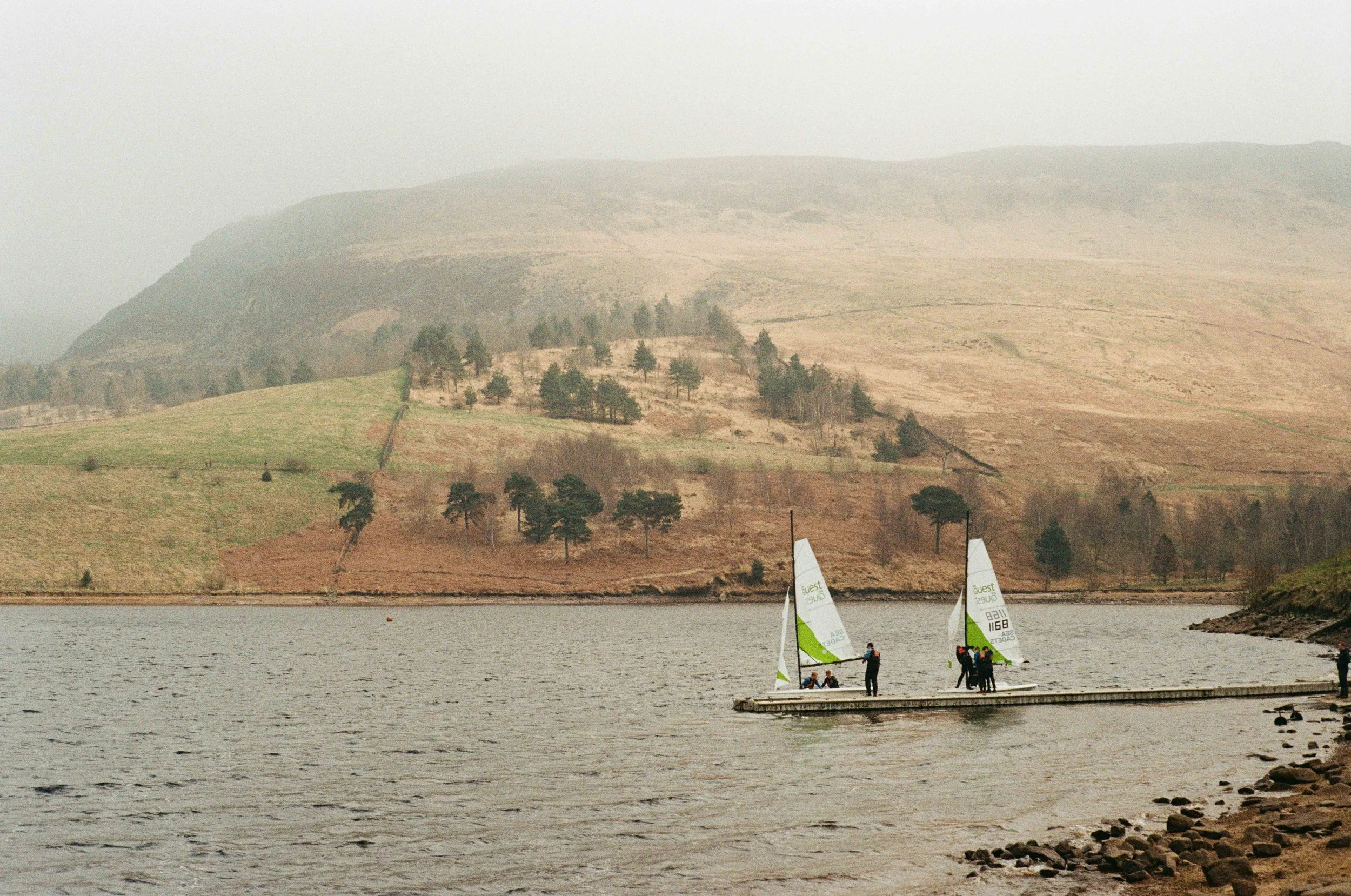
In the shots below the two of the tree’s we’re shot on a tripod so I have got around one issue of shooting a 200 ISO film in poor lightning, the other two were shot hand held.
Where It Surprised Me
Kodak Gold 200 has a reputation for being bold, but in overcast and foggy conditions it becomes something else entirely. The colours do not disappear, they just step back.
And that happens consistently.
There are moments where that restraint works in its favour. Softer tones, gentle warmth, and a kind of quiet consistency that runs through these images make them work in a more subtle way.
It does not try to turn a grey day into something it is not and I think that is what I have come to appreciate most about it.
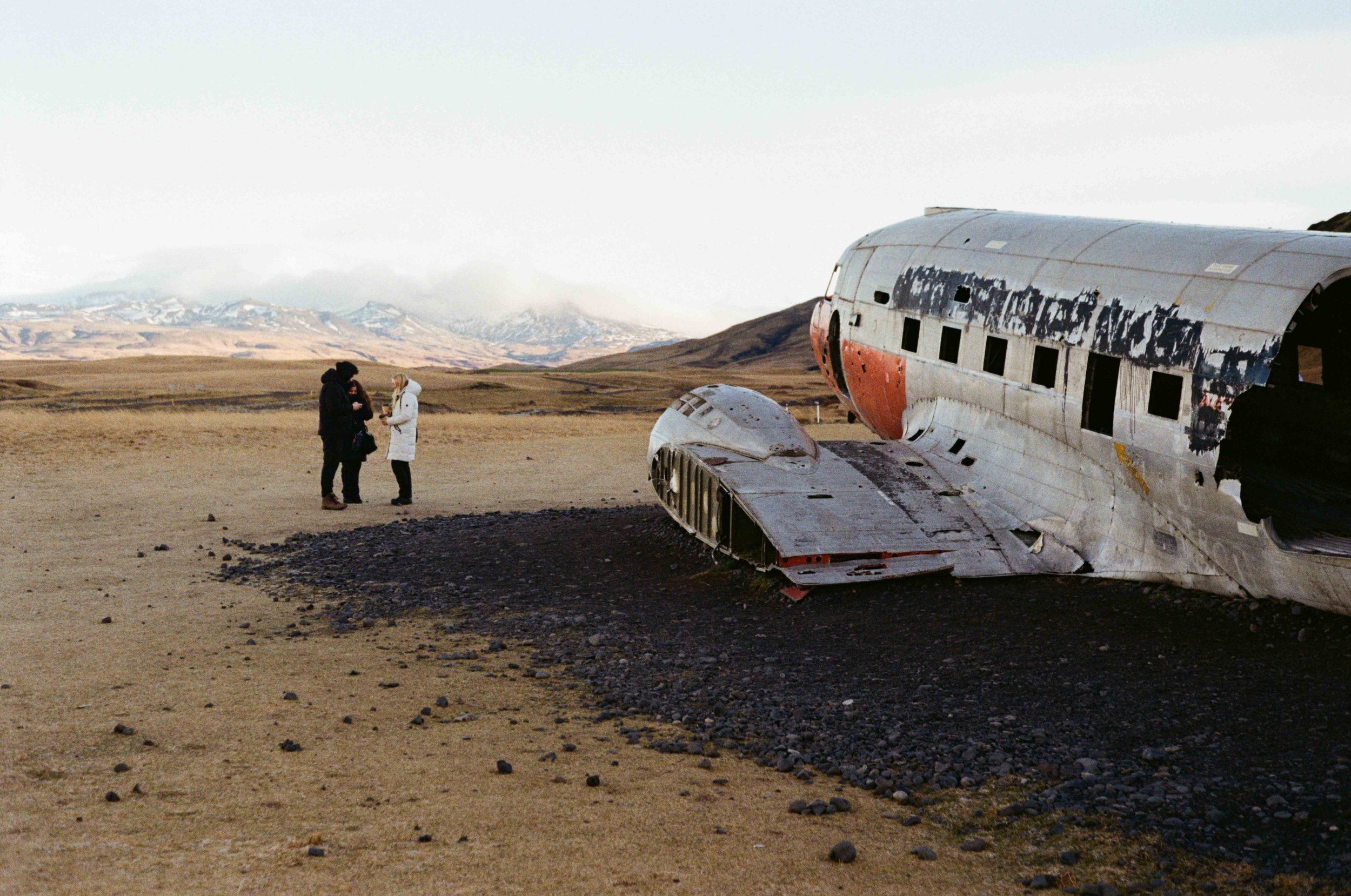
The sun had barely risen when I took this photo in Iceland, it’s not as sharp back to front as it otherwise would have been in sunlight, but I love this photo.
Where It Fell Short
At the same time, looking through multiple rolls makes its limitations clearer.
This is not a film made for low light or heavy cloud, I don’t tend to shoot film on a tripod very often and I can see multiple cases of where low light, low aperture and slow shutter speed have completely ruined the photo.
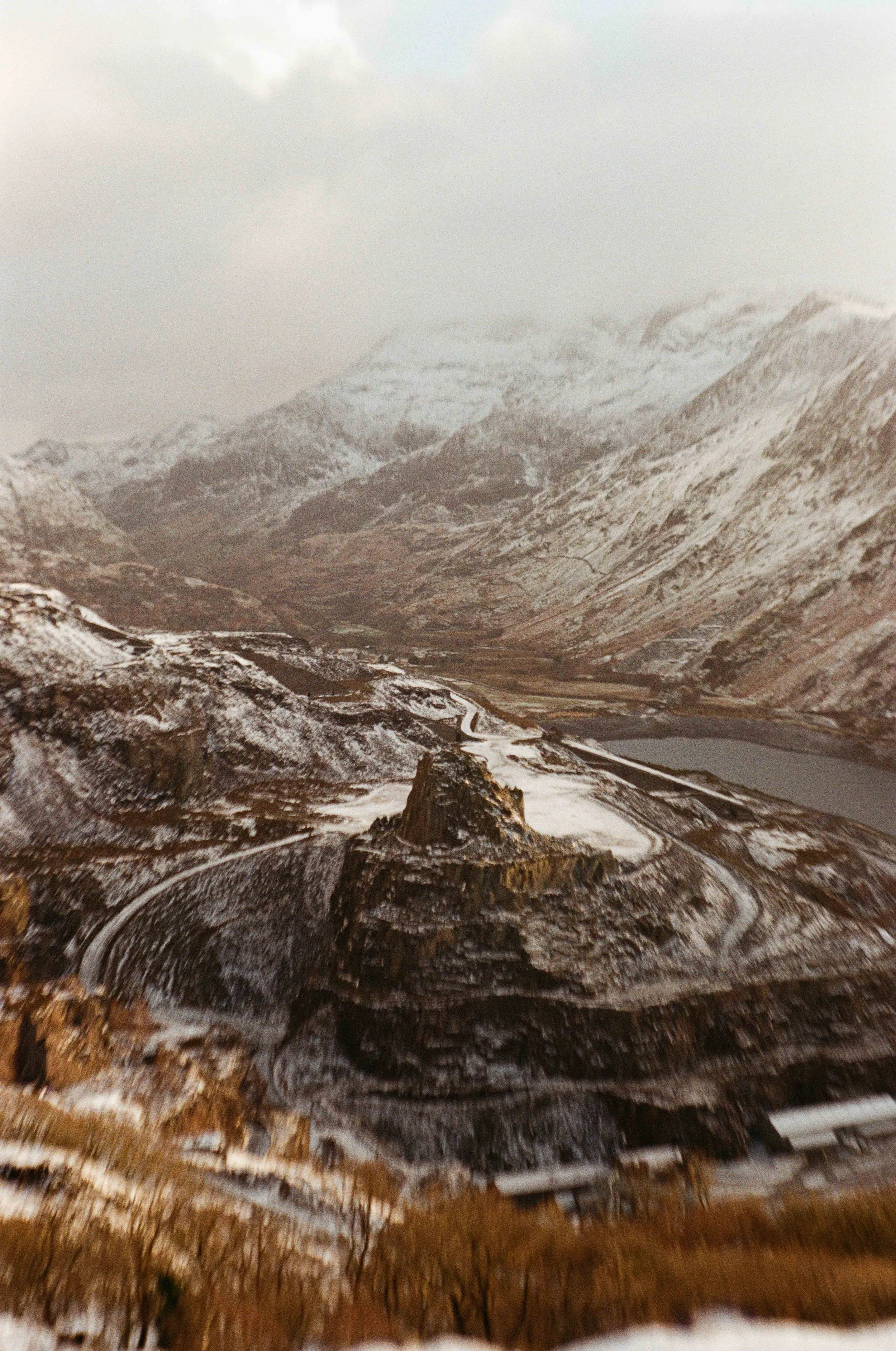
Dinorwic Slate Mine - A January Sunset
This is a prime example of Kodak Golds limitations, this was shot right at sunset hand held, with cloudy skies. I’ve had to drop my shutter speed and aperture right down here and the film just isn’t fast enough to compensate.
Would I Use It Again Like This
Probably not deliberately, I will certainly think about checking the forecast when using this in the depths of winter, but I also would not avoid it.
After shooting and then revisiting these rolls, there is something interesting about how Kodak Gold 200 behaves outside of its comfort zone. It becomes quieter, less obvious, and can actually aid certain weather situations.
That said, if I know I am heading out into flat, overcast conditions, I would likely reach for something else, read my blog here on Portra 400 and Portra 800 for landscape photography here.
This is not a film that transforms bad light, It just reflects it.
Final Thoughts
Looking back through ten rolls of Kodak Gold 200, In bad light, it does not suddenly become a different film. It just reveals its limits.
There is no dramatic failure, but there is no magic either. What you get is a softer, more subdued version of a film that is usually associated with brightness and colour.
Film stocks are situational but that doesn't mean they can’t be used outside where they perform best and I have still got some shots that I love with Kodak Gold 200 in poor light and bad weather.
